Zero Liquid, Zero Thermal Runaway
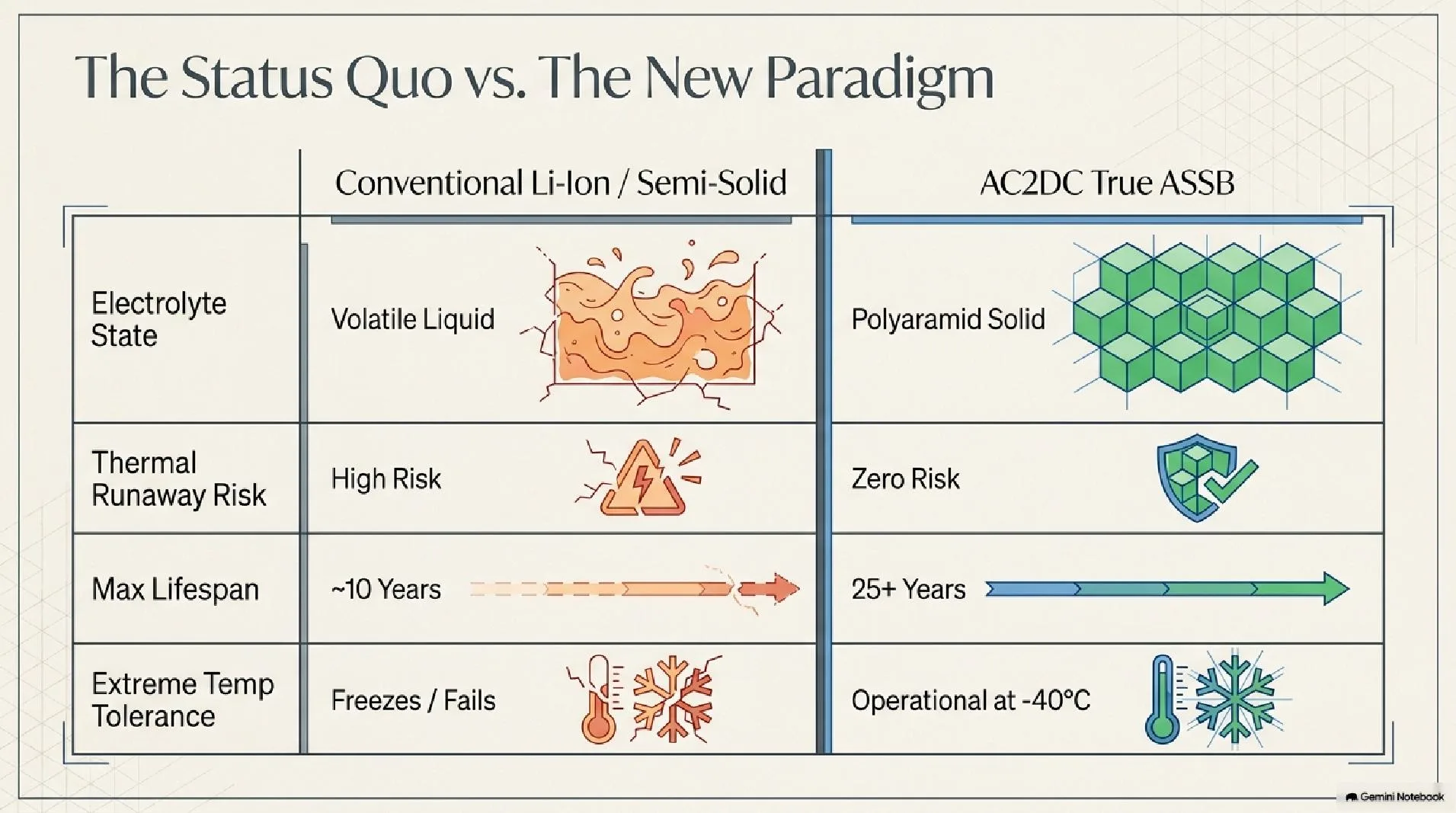
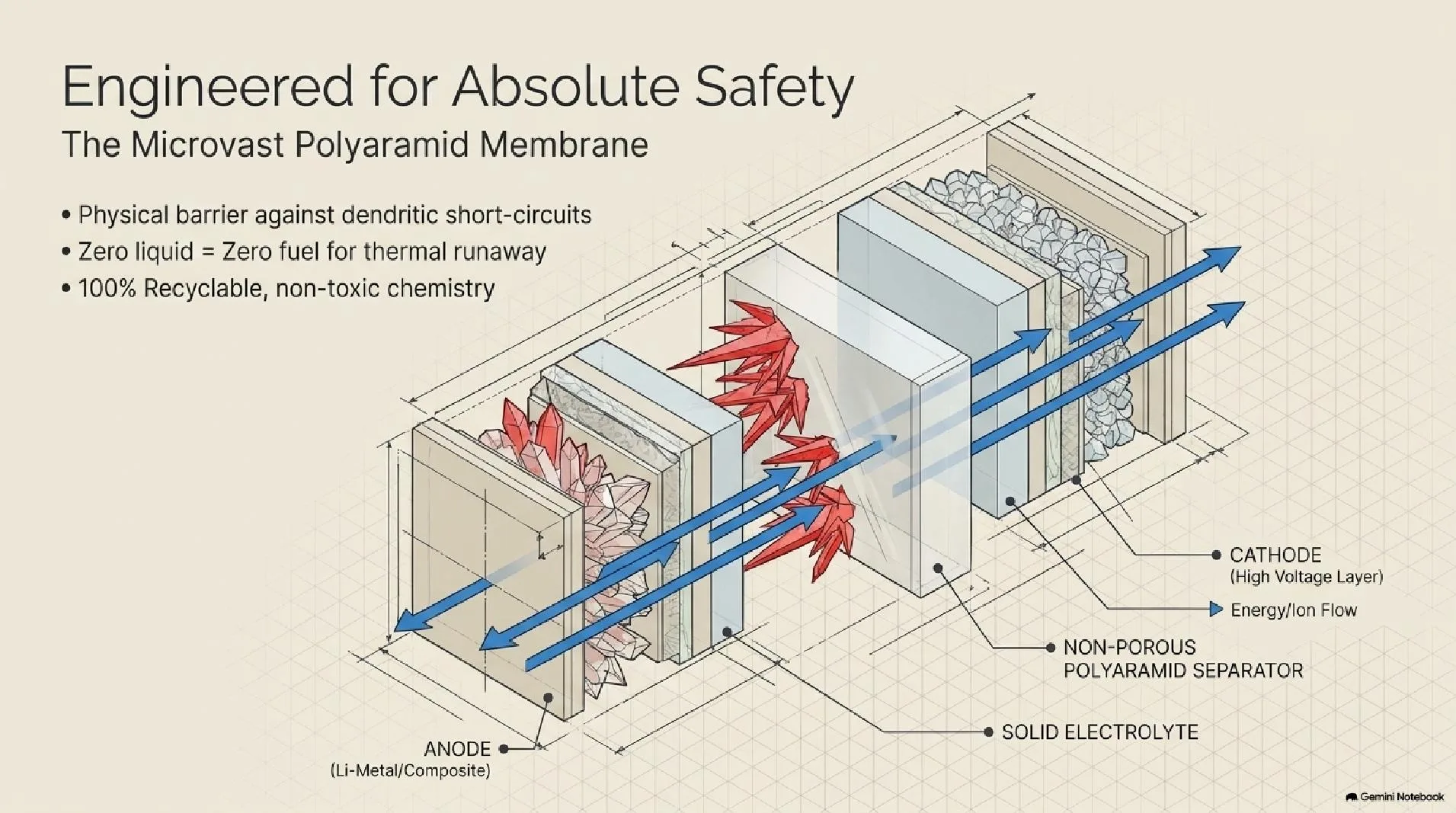
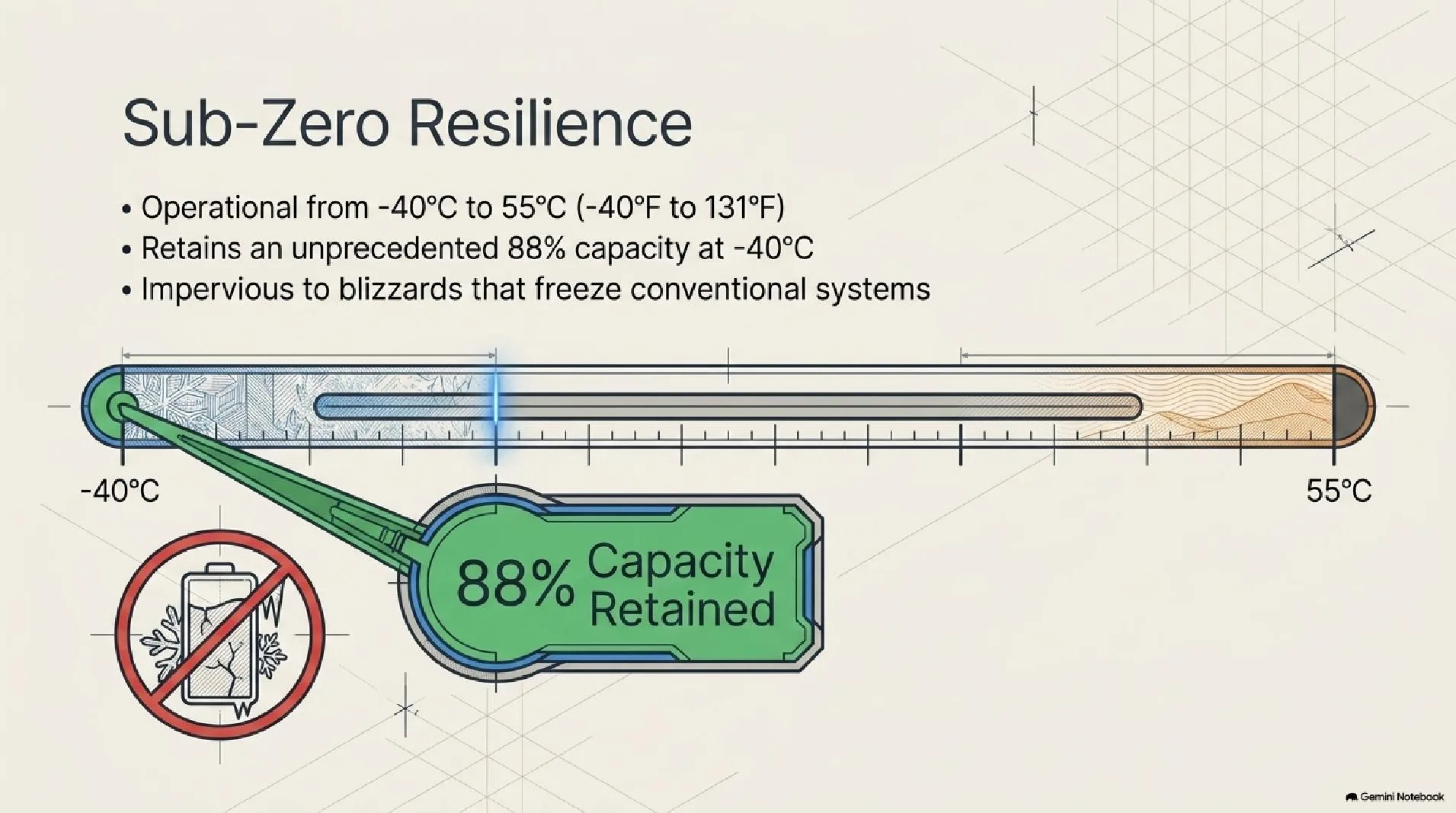
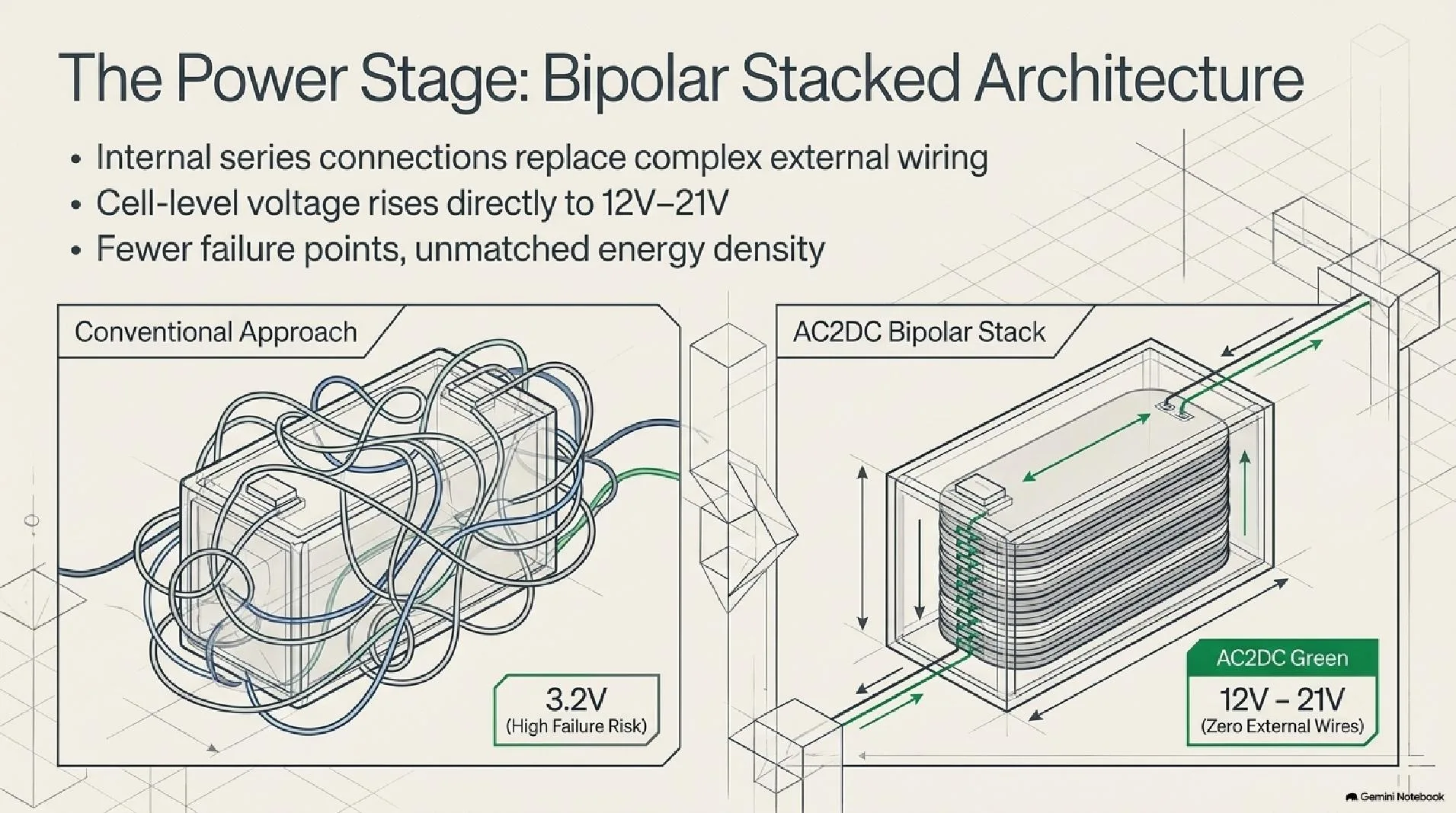
Every lithium-ion battery fire shares the same root cause: a liquid electrolyte that can ignite. Solid-state batteries replace that liquid with a rigid electrolyte, eliminating the fuel for thermal runaway entirely. The change sounds simple; the engineering is anything but. True all-solid-state cells, like the AC2DC design now emerging from Microvast and its partners, use a polyaramid membrane — a physical barrier against dendritic short-circuits — and stack bipolar electrodes for dramatically higher energy density. Most homeowners who read this are comparing diesel generator repair options around Wilmington, NC, so what follows sticks to the details that change in practice.
Why Your Next Battery May Be Solid
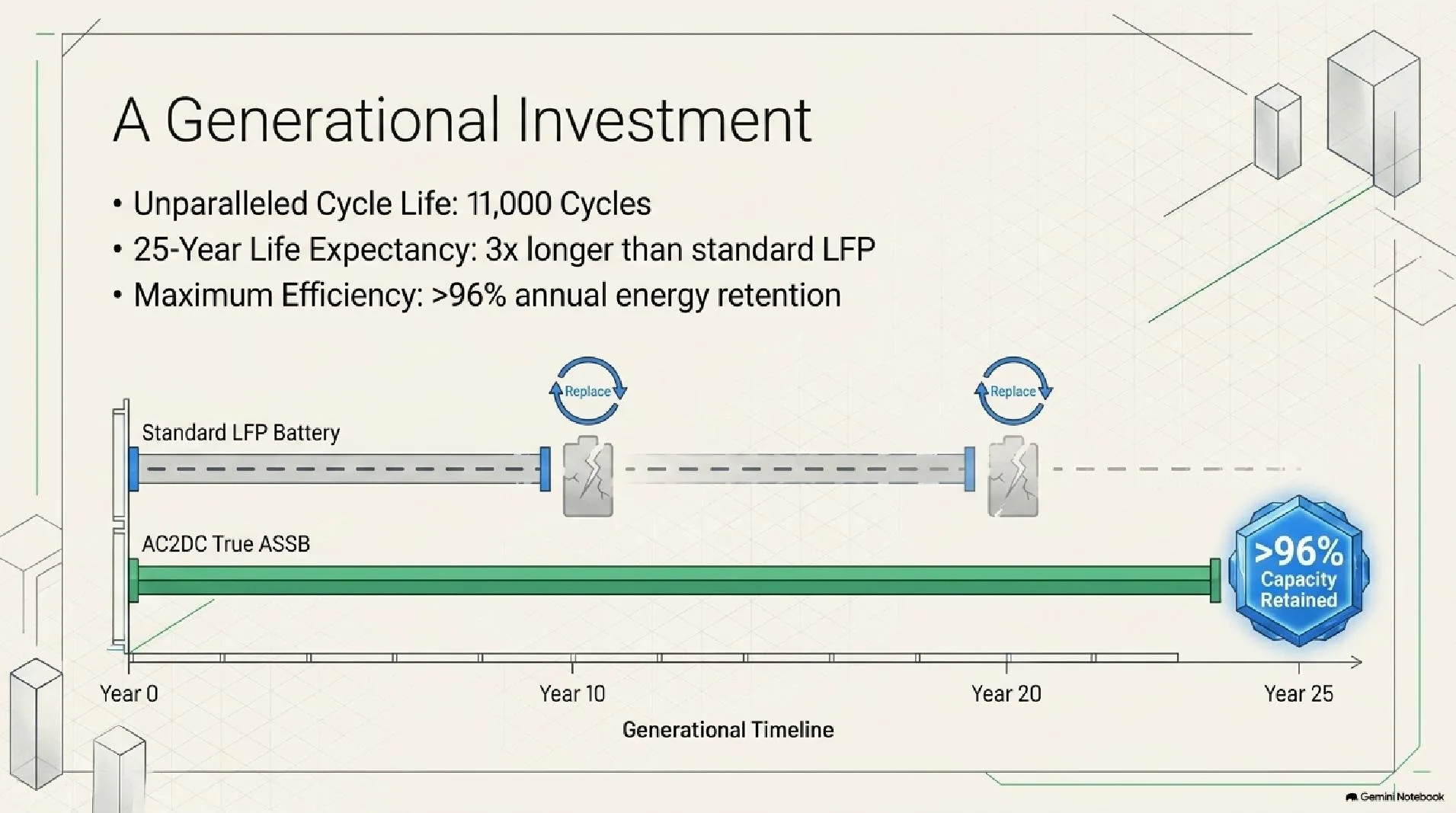
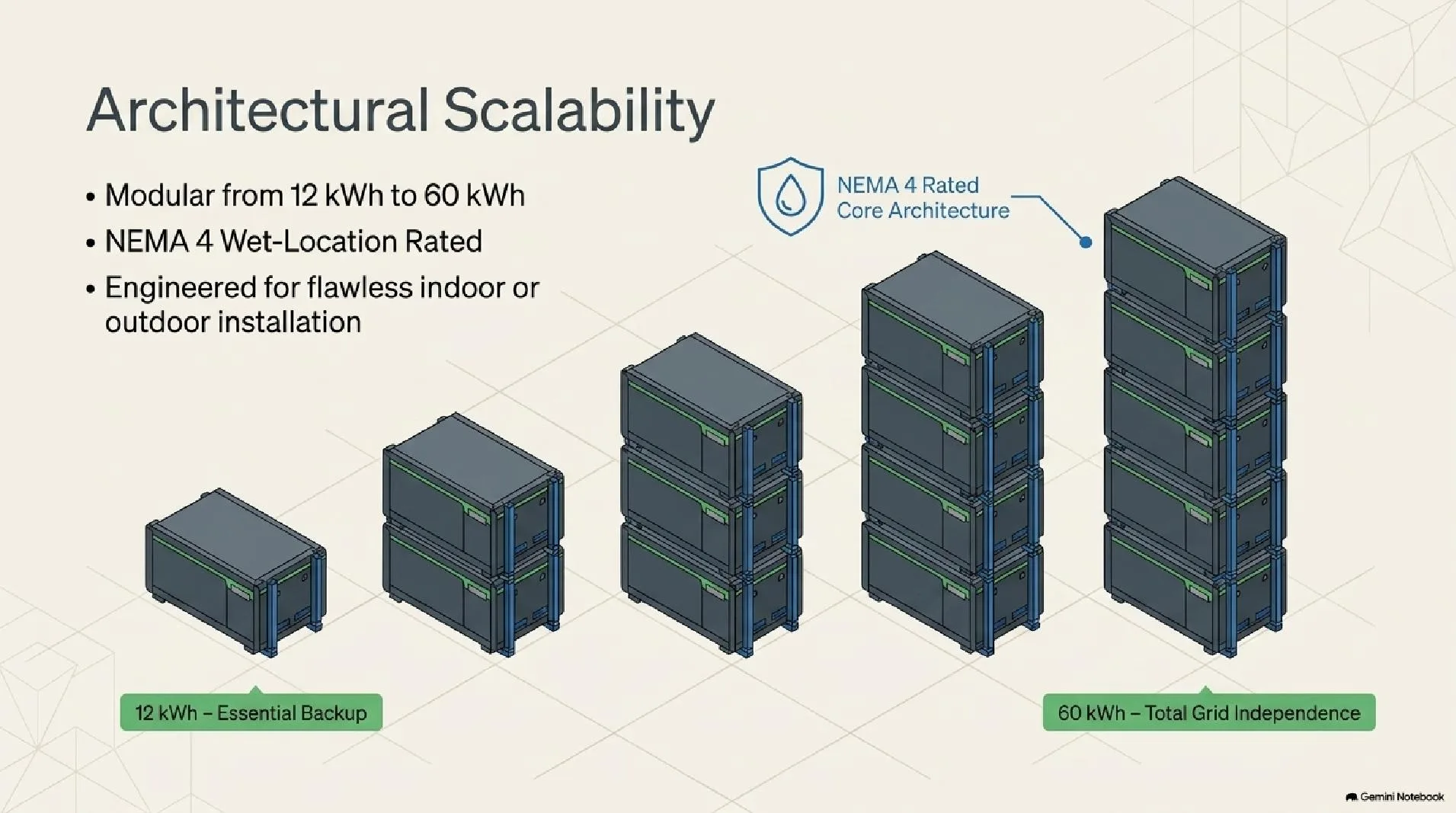
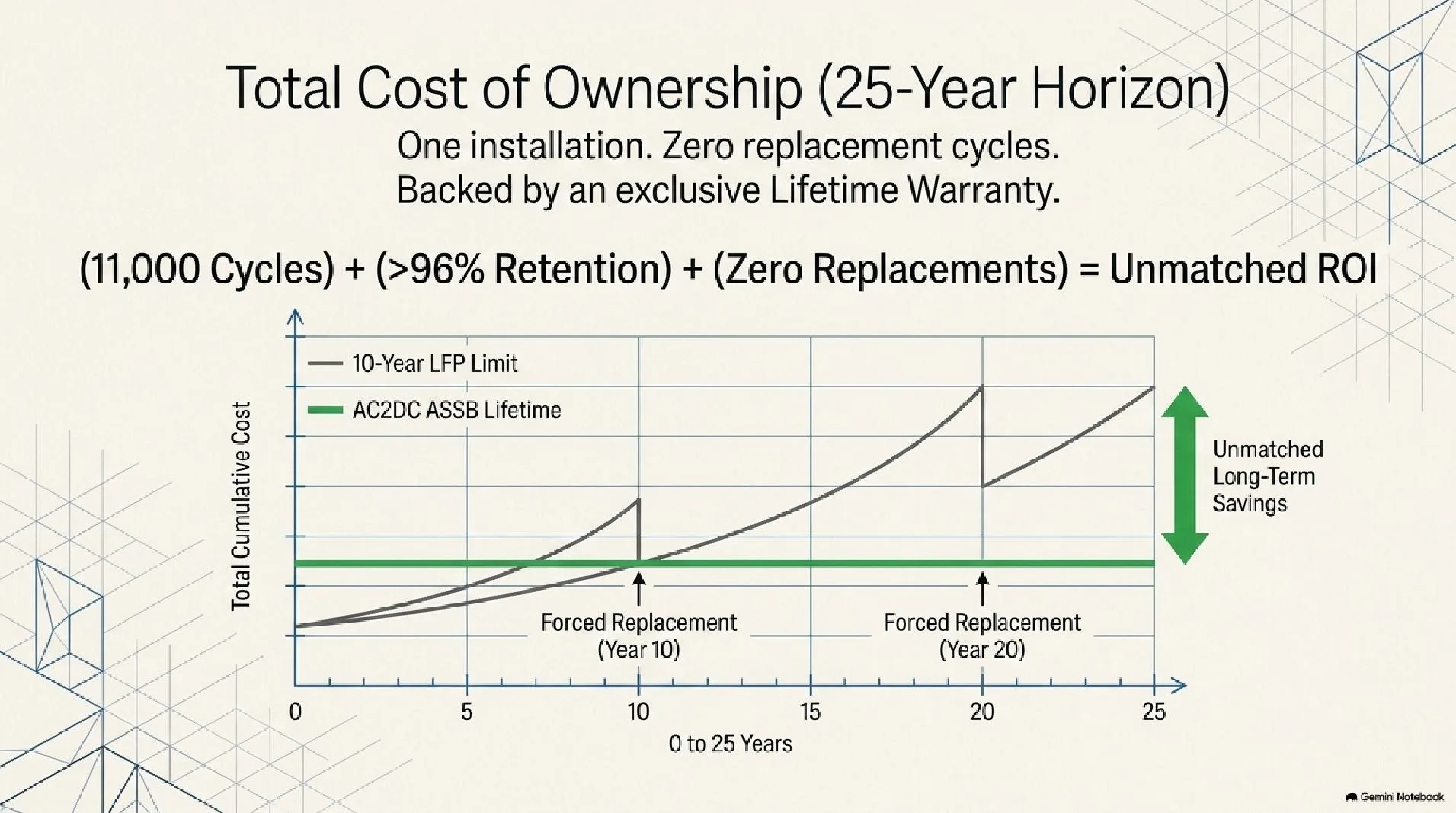
For homeowners, solid-state changes the risk conversation around storage. Batteries can live inside the living space — no more mandatory garage-only installation, no more separation-distance requirements driven by fire risk. The energy density gains mean a smaller, lighter unit delivers the same backup capacity. And because there is no liquid to leak or degrade, cycle life extends significantly.
The catch is cost and availability: true ASSB systems are only beginning to ship, and early units carry a premium. But the direction is unambiguous — solid-state is the endgame for home storage safety, and it will reach mainstream pricing within a few years.